How to file a DBA in Utah: steps, cost and renewal
What a DBA is, what it costs to file one in Utah, and when an LLC is the better move.


A DBA ("doing business as") lets you run a business under a name that isn't your legal name. In Utah you register it online with the Division of Corporations and Commercial Code. It costs $22, it lasts three years, and it renews for $18.
This guide walks through who needs one, how to file, what changed on October 1, 2026, and when an LLC is the better move.
Do you need a DBA?
Utah law defines a DBA as a person that does business in the state using a name different from its legal name. In practice, you need one if:
- You're a sole proprietor using a business name. Jane Smith selling as "Canyon View Cleaning" needs a DBA. Jane Smith selling as "Jane Smith" does not.
- Your LLC or corporation sells under a second name. Canyon View LLC selling window cleaning as "Canyon View Windows" needs a DBA for that name.
- You're a general partnership that isn't registered with the state. Each partner registers the DBA.
You don't need one when an LLC or corporation does business under its exact registered name. The DBA law says so directly.
What changed on October 1, 2026
Utah rewrote its DBA law this year. The old "assumed name" sections (42-2-5 to 42-2-10) are now Utah Code 42-2-101 to 42-2-205, and the statute now calls the filing a "D.B.A. certificate." For most owners, little changed in practice:
- The fee is still $22, and renewal is still $18.
- A registration still lasts three years.
- You can renew starting 60 days before it expires.
- If you miss the renewal, the state sends a notice to your registered agent. If you still haven't renewed 30 days after that notice, the registration is permanently expired and anyone can claim the name.
Older guides that cite the old section numbers are out of date, but the steps below are the same.
How to register a DBA in Utah, step by step
1Check the name
Search the name on the state's business registration site, businessregistration.utah.gov. The name has to be distinguishable from names and trademarks already on the Division's records.
A few words are off limits. A DBA name can't include "LLC," "L.L.C." or "limited liability company" unless an LLC registered in Utah owns it. The same goes for "Inc." or "incorporated" unless a Utah-registered corporation owns it. It also can't suggest you're a government agency.
2Line up a registered agent
Every DBA must name and keep a registered agent in Utah. That's the person or company that receives legal papers for the business. Many small owners act as their own agent.
3File online
Sign in to businessregistration.utah.gov with a UtahID account (create one if you don't have it). Choose Formations, then Assumed Name (DBA) Registration. The certificate asks for:
- the DBA name
- the main address where the business operates
- the legal name and street address of each owner
- the registered agent
- a signature from each owner, or someone authorized to sign for them

4Pay the $22 fee
Fees are nonrefundable. If you need it faster, the state offers expedited processing for $75 per filing.
5Wait for approval
Most online filings are processed right away. Filings that need a manual review, such as a possible name conflict or a paper filing, can take 5 to 7 business days.
6Finish the rest of your setup
A DBA doesn't replace your city business license, a sales tax license if you sell taxable goods or services, or any professional license your trade needs. The Utah startup guide lists every step in order, and the city guides for St. George and Cedar City cover local licensing.
Step-by-step guideHow to start a business in UtahLLC, DBA, licenses and fees, step by step.The 30-day deadline
File the DBA no later than 30 days after you start doing business under the name. Skipping it has two costs. You can't bring a lawsuit in a Utah court under that name until you register, which matters if a customer ever stops paying. And the Division can charge a late filing fee of up to three times the normal fee.
Cost and time at a glance
| Item | Fee | Notes |
|---|---|---|
| DBA registration | $22 | Filed online with the Division of Corporations |
| DBA renewal | $18 | Every three years |
| Late renewal fee | $10 | Listed on the Division's fee schedule |
| Expedited processing | $75 per filing | Optional |
| Processing time | Usually immediate | 5 to 7 business days if it needs manual review |
Fees checked on Oct 3, 2026
Fees are from the Division's current fee schedule. Confirm them on commerce.utah.gov before you file, since the state can change them.
Renewing your DBA
A Utah DBA lasts three years from the day it's registered. To renew:
- 1Sign in to businessregistration.utah.gov with your UtahID.
- 2Choose Renewals, then DBA and Business Trust Renewal.
- 3Find your DBA by name or number and file the renewal.
The renewal window opens 60 days before the expiration date. If your address, owners or registered agent changed, you can update them as part of the renewal without an extra charge.
Put the date in your calendar now. Once a DBA is permanently expired, it can't be revived. You'd have to register it as new, and by then someone else may have the name.
DBA or LLC: which do you need?
A DBA is a name, not a business. It gives you no liability protection: as the Division puts it, the business owner is personally liable for all debts the business takes on. It doesn't give you trademark rights in the name either.
An LLC is a separate legal entity. It costs $59 to form in Utah plus an $18 annual renewal, and business debts and claims generally stay with the business.
A DBA on its own can make sense when:
- you're testing a small side business with little risk
- you work alone, with no employees, leases or vehicles in the business name
- you're already an LLC and want a second brand name
An LLC is usually the better fit when:
- a customer, employee or vehicle accident could lead to a claim
- you're signing a lease, hiring or taking on business debt
- you want the business and your personal money clearly separate
Many owners use both: an LLC for protection, and a DBA for the name customers know. For a side-by-side look, read LLC, DBA or S corp in Utah. If you're weighing liability, talk to an attorney. If you're weighing taxes, talk to your CPA.
After the paperwork
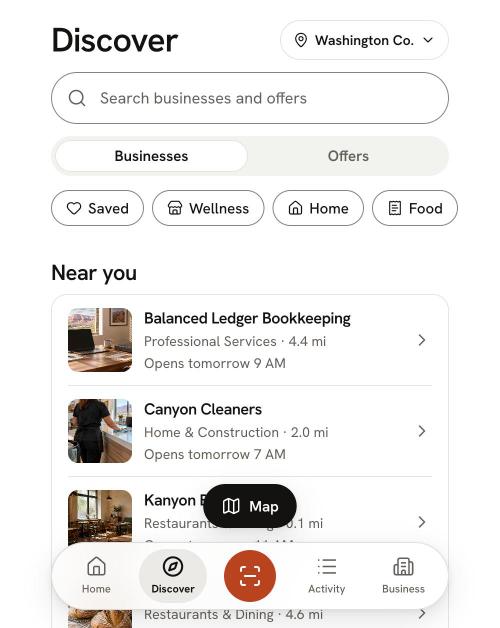
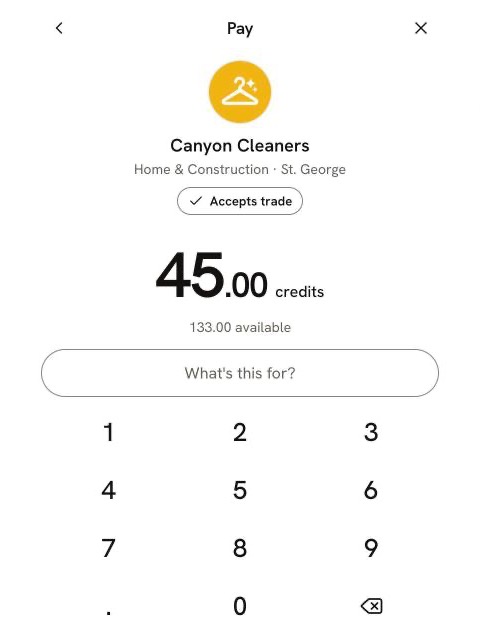
Once you're registered, the next job is filling your calendar. Some Southern Utah owners join a local trade network to sell open hours and spare inventory to other member businesses for credits, then spend those credits with any member.
Frequently asked questions
$22 to register with the Utah Division of Corporations and Commercial Code, and $18 to renew every three years. Expedited processing is an optional $75.
Three years from the day it's registered. You can renew starting 60 days before it expires.
No. Utah DBAs are filed with the state Division of Corporations and Commercial Code. You still need a business license from your city, or from your county if you're in an unincorporated area.
No. A DBA is only a registered name. The owner stays personally responsible for the business's debts. An LLC or corporation is what separates business liability from personal assets.
The state notifies your registered agent. If you don't renew within 30 days of that notice, the registration is permanently expired and anyone can claim the name. You'd have to file a new registration to use it again.
Sources: All checked October 3, 2026.
- Utah Code Title 42, Chapter 2, Part 1 (effective October 1, 2026): DBA definition (42-2-101); LLC and corporation names used as-is not affected, trademark rights not affected (42-2-104); name rules including LLC and Inc. limits and the agency rule (42-2-105). https://le.utah.gov/xcode/Title42/Chapter2/C42-2-P1_2026050620261001.pdf
- Utah Code Title 42, Chapter 2, Part 2 (effective October 1, 2026): 30-day filing deadline, certificate contents and registered agent (42-2-201); three-year term, 60-day renewal window, notice and permanent expiration (42-2-204); no lawsuits under the name until registered and late fee up to three times the fee (42-2-205). Enacted by Chapter 93, 2026 General Session. https://le.utah.gov/xcode/Title42/Chapter2/C42-2-P2_2026050620261001.pdf
- Utah Division of Corporations and Commercial Code, Fiscal Year 2026 Fee Schedule (effective July 1, 2025; the file the Division's site links as current fees): DBA registration $22, DBA renewal $18, late renewal fee $10, LLC certificate of organization $59, LLC renewal $18, expedited processing $75 per filing, fees nonrefundable. https://corporations.utah.gov/wp-content/uploads/2023/04/currentfees.pdf
- Utah Department of Commerce, DBA page: who can own a DBA, online filing through UtahID and Formations, owner personally liable for all debts, expired DBA must register as new. https://commerce.utah.gov/corporations/business-entities/dba/
- Utah Department of Commerce, How to renew a business: DBA renewal due every three years; Renewals menu path; changes at no additional charge when renewing online. https://commerce.utah.gov/corporations/faqs/how-to-renew-a-business/
- Utah Division of Corporations home page: most filings processed immediately; 5 to 7 business days for filings that need manual review. https://commerce.utah.gov/corporations/
Trade with businesses near you.
Every new member starts with 100 welcome credits to spend with any member. It’s a gift, not a loan, so you never owe it back.